A luxury island can be your prep space, cooktop, serving bar, and dining surface - but only if the technology disappears when the meal is over. Invisacook Invisible induction cooktop cost reflects that transformation. You are not simply buying burners. You are planning a coordinated cooking system, an approved porcelain surface, and the electrical and fabrication expertise that make it perform.
For a high-end kitchen renovation, a realistic starting point is to think in layers: the induction system itself, the countertop, the electrical work, and the installation. The final number depends on how many cooking zones you need and whether the island is being built from scratch or adapted as part of a larger project.
Invisacook Invisible Induction Cooktop Cost at a Glance
An Invisacook through-surface induction system is a premium appliance purchase, typically ranging from $1,000 dollars for a small 1 burner configuration to $3,500 for a five-burner setup and integrated features. For planning purposes, many homeowners reserve roughly $2,000 to $4,000 or more for the cooking equipment, depending on burner count, controls, cookware, and optional additions.
That appliance figure is only one part of the investment. A full invisible cooking island can range from approximately $8,000 to $20,000-plus when cabinets, porcelain, fabrication, electrical upgrades, installation labor, and related island construction are included. A large-format premium porcelain slab, a complex waterfall island, custom cabinetry, or a significant electrical upgrade can move the project well beyond that range.
The right question is not simply, “What does the cooktop cost?” It is, “What will it take to create a cooking surface that looks like architecture and performs like a serious appliance?”
What You Are Paying For
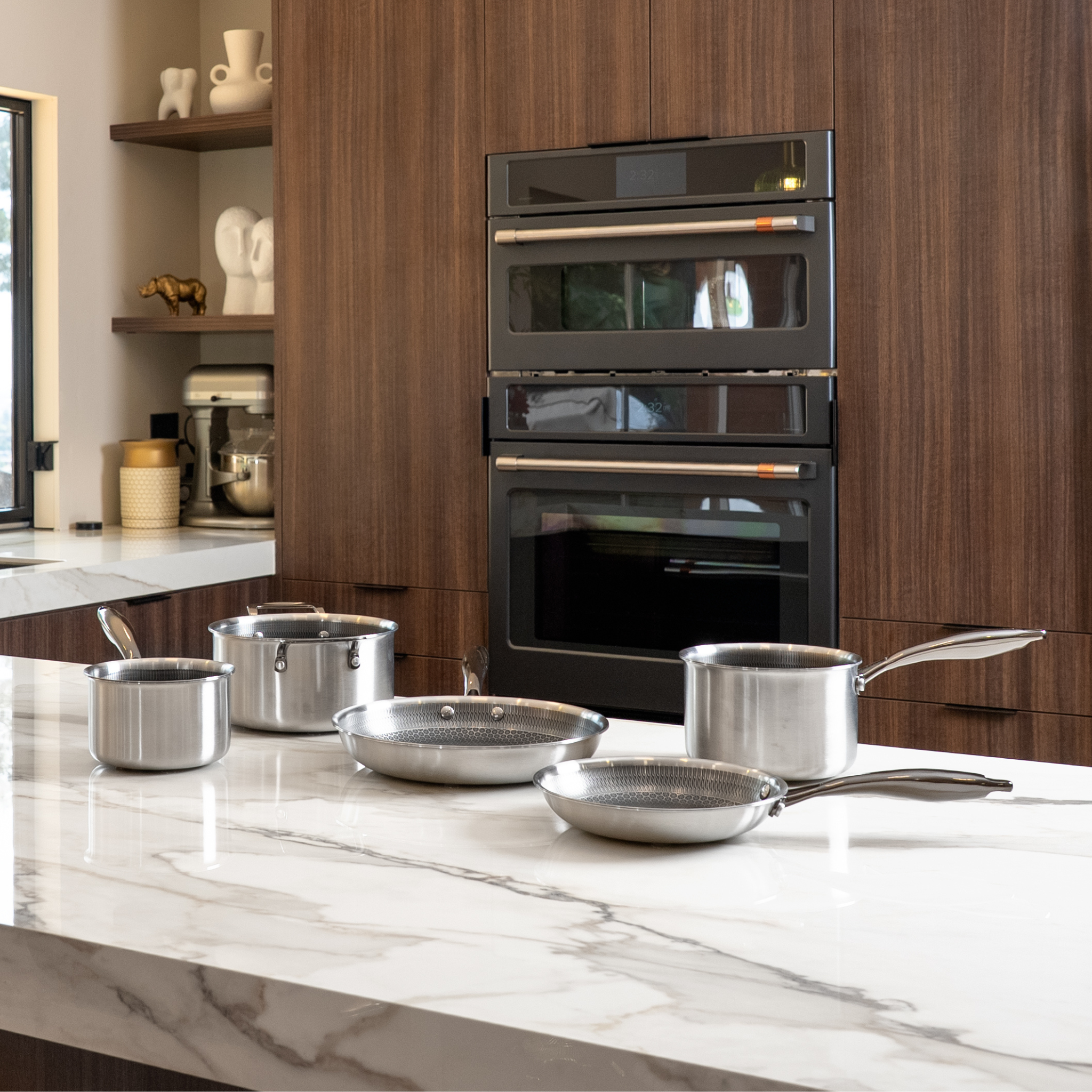
Conventional induction places the heating element under visible black glass. Invisacook through-surface induction places the technology beneath an approved porcelain countertop. The cooking zones are identified with subtle markers when needed, while the rest of the island remains a clean, usable surface.
That requires more than hiding an appliance. The system must transfer energy through the porcelain efficiently while protecting the countertop and maintaining dependable cooking performance. With compatible cookware and proper installation, the surface can reach cooking temperatures around 400°F, boil water in under two minutes, and deliver the fast response homeowners expect from premium induction.
The countertop also stays dramatically cooler than the pan itself because Invisacook induction heats ferromagnetic cookware rather than an exposed burner. That makes cleanup simpler and turns a working kitchen island into a more comfortable space for families, entertaining, and everyday living.
Burner count drives the appliance budget
A one-burner system is ideal for a secondary prep kitchen, cocktail bar, compact condo, or a homeowner who wants occasional cooking without a visible appliance. Two burners suit many minimalist kitchens where the island handles daily meals but a wall oven, outdoor kitchen, or separate range provides additional capacity.
Three, four and five-burner systems are designed for homeowners who want the island to serve as the primary cooking zone. More zones increase equipment cost, but they also make the design more useful: simmer sauce while boiling pasta, sear proteins, and keep a side dish moving without giving up the island’s clean appearance.
Choosing fewer burners to reduce cost only makes sense if it fits the way you cook. A beautiful four-burner Invisacook island that is never used at capacity can be overbuilt. A two-burner system in a household that regularly cooks full family meals can feel limiting quickly.
Porcelain is a project requirement, not an afterthought
Invisacook invisible induction is engineered for compatible porcelain surfaces. The material, thickness, installation method, and approved brand matter because they affect both safety and performance. This is not a system to pair casually with any stone, quartz, or slab that happens to look right.
If porcelain is already specified for your renovation, the incremental decision may be straightforward. If you are comparing countertop materials, factor in the value of gaining a durable, nonporous, heat-tolerant cooking surface with no exposed burners. Porcelain pricing varies widely by slab selection, island size, edge detail, seams, and local fabrication rates.
A fabricator experienced with large-format porcelain and willing to follow the appliance requirements is worth budgeting for. Precision beneath the surface matters just as much as the visual finish above it.
Installation Costs That Belong in the Budget
The cleanest projects are planned before cabinets and countertops are finalized. Retrofitting is possible in some situations, but it can add complexity if electrical service, cabinetry, ventilation plans, or countertop structure were designed around a conventional cooktop.
Electrical work is one of the largest variables. Invisacook induction systems require dedicated circuits, and the number of units determines the electrical load. A new-build home or major remodel with an electrician already on site may need only standard circuit planning. An older home with a full panel may require upgrades that add meaningful cost.
Installation labor can also include cabinet modifications, mounting, ventilation clearance beneath the system, countertop fabrication coordination, and final testing. The appliance is hidden, but the installation should never be improvised. The best results come from an electrician, contractor, and fabricator working from the same plan before the porcelain is cut and set.
Do Not Forget Cookware and Add-Ons
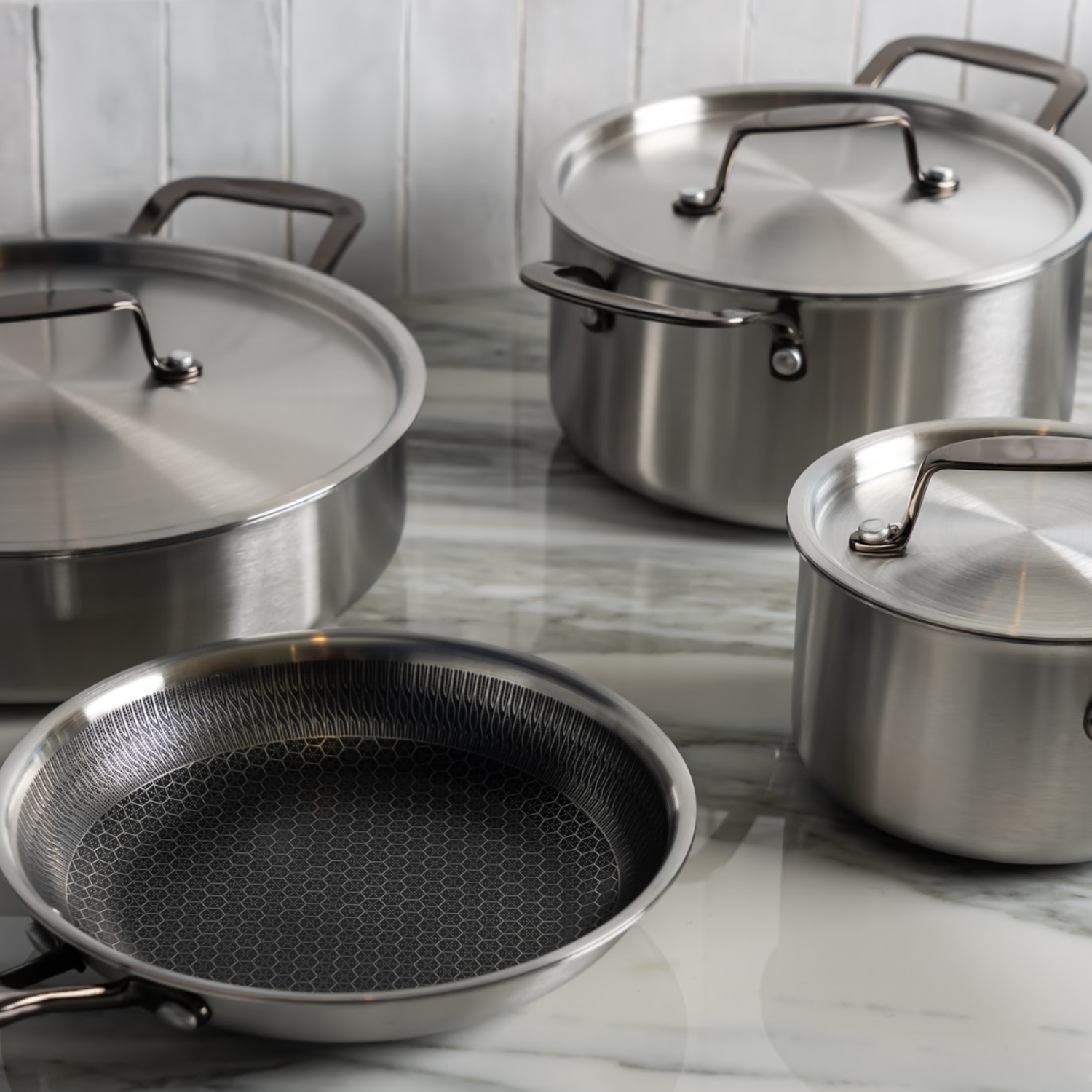
Invisacook induction requires magnetic cookware. Many homeowners already own compatible stainless steel or cast-iron pieces, but not every pan in a luxury cookware collection will work. InvisaCookware is designed to pair with through-surface induction, helping ensure efficient contact, predictable heating, and a refined tabletop presentation. Invisacook does not recommend Cast Iron, the pans can generate so much heat that the counter can crack.
Cookware is a smaller line item than porcelain or electrical work, but it affects the experience every day. Include it in the initial budget rather than discovering after installation that your favorite nonmagnetic pans are no longer part of the rotation.
Optional integrated features can add to the project total as well. Through-counter wireless charging, for example, supports the same clean-island concept by removing another visible utility from the surface. These upgrades are not essential for cooking, but they can make sense when the goal is a truly multifunctional island.
Where Invisacook Invisible Induction Delivers Value
An Invisacook hidden cooktop will cost more than dropping a standard glass-top appliance into a cutout. It should. The value is in what it eliminates and what it gives back: no raised grates, no black-glass rectangle, no burner clutter, and no permanently assigned cooking zone when the kitchen is not in use.
For a design-led renovation, that regained surface area has real value. The island can become a buffet during a party, a homework table after dinner, or a calm porcelain monolith when the kitchen is photographed, shown, or simply enjoyed. Compared with a premium gas range or conventional luxury induction cooktop, Invisacook invisible induction moves the investment from appliance styling to architectural integration.
It can also reduce cleaning friction. There are no gas grates to remove and no recessed seams around a visible cooktop. Wipe the porcelain surface after cooking, and the island returns to its original appearance.
How to Get an Accurate Project Number
Start with your intended cooking behavior, not a product wish list. Decide whether the island is your primary cooktop, how many pans you use during a typical dinner, and whether a secondary cooking appliance will share the load. Then select an approved porcelain material and bring the system requirements to your fabricator and electrician early.
Ask for separate estimates for the appliance, cookware, electrical scope, porcelain fabrication, and installation. Separating those costs prevents a low appliance quote from disguising an incomplete project budget. It also makes it easier to compare a purpose-built Invisacook invisible island with a conventional range or glass induction alternative.
Invisacook California helps homeowners, designers, and trade professionals validate those details before purchase, from countertop compatibility through electrical planning. That guidance can protect a premium renovation from expensive late-stage changes.
The best time to price Invisacook invisible induction is before the countertop is ordered. At that point, every dollar is working toward a kitchen that cooks at full speed, cleans in seconds, and looks exactly as intentional after dinner as it did before the first pan hit the surface.


Leave a comment
This site is protected by hCaptcha and the hCaptcha Privacy Policy and Terms of Service apply.